Language
Author: Grace Pan
Source: Docsun Home and Living
Dearest Gentle Reader,
At the beginning of 2026, the world of Bridgerton has reintroduced audiences to the elegance of the British Regency era—an age where fashion was not merely decorative, but deeply communicative.
Among these unspoken declarations, silk accessories reign supreme. It moved with the body, caught the light, and—perhaps most importantly—spoke quietly of status, taste, and identity. Let us observe, with due curiosity, the delicate language they convey.
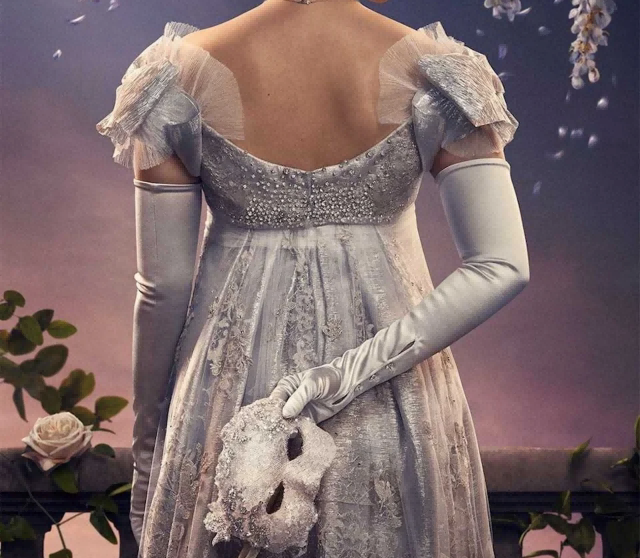
One must begin, of course, with the glove—for what could be more revealing than that which is designed to conceal?
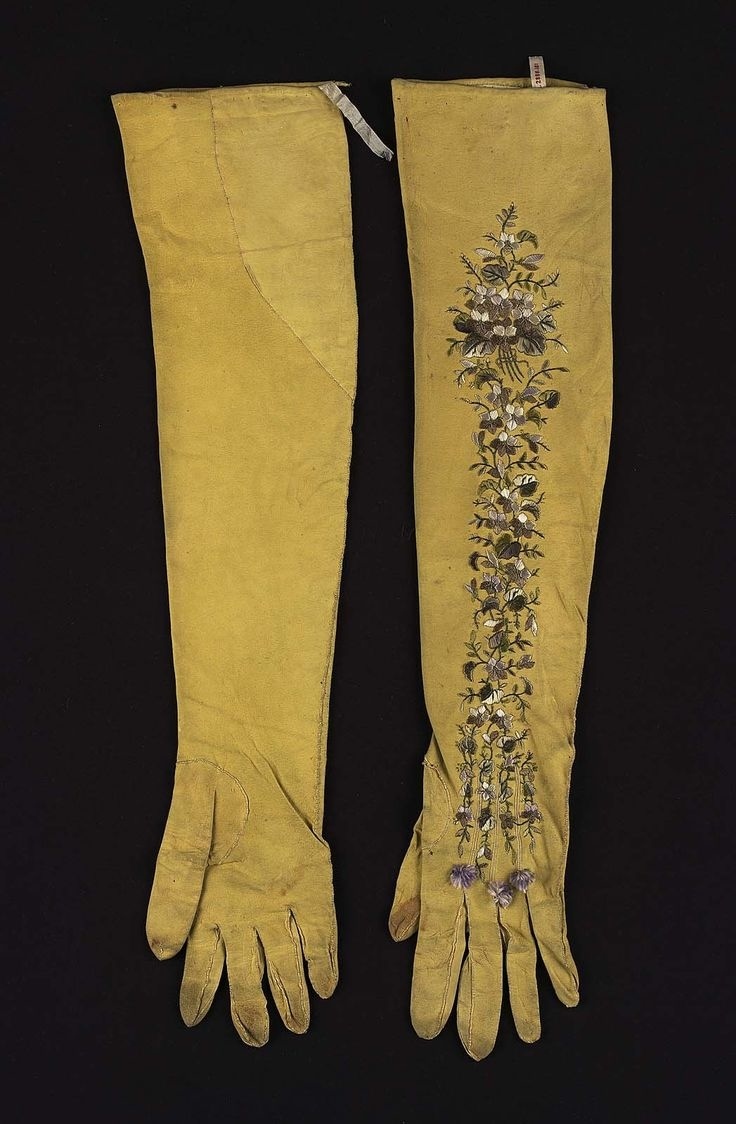
In Regency England, gloves were not optional—they were essential. Silk gloves, in particular, signified refinement and discipline. A well-dressed lady would rarely appear in public without them, as bare hands were considered overly intimate.
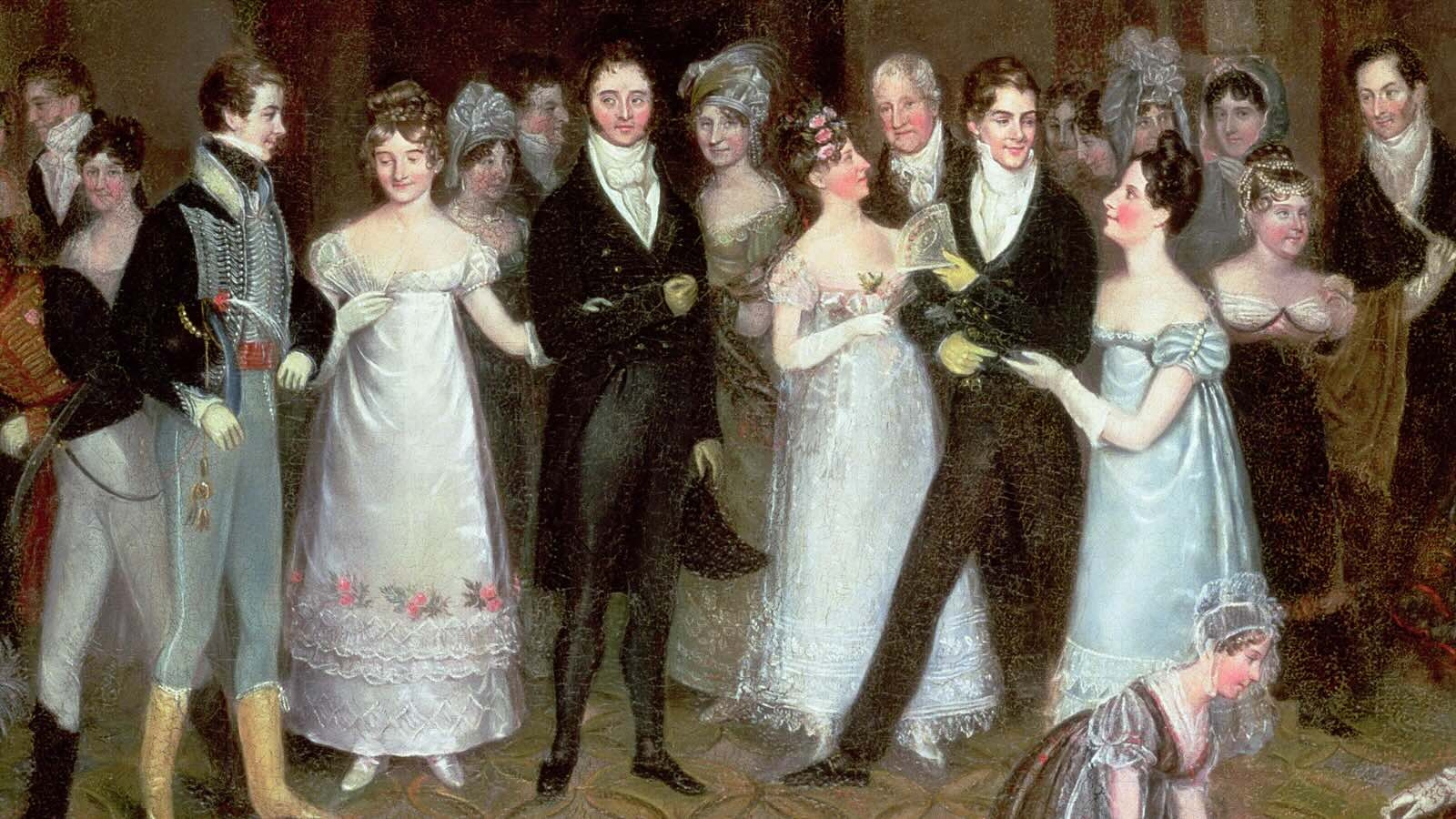
Beyond modesty, gloves were governed by strict etiquette. They were worn during social calls, promenades, and especially at balls. However, there were moments when removing them carried meaning. For instance, gloves were typically removed while dining, signalling a transition from public formality to private interaction. At dances, the condition of one’s gloves—even their cleanliness—reflected personal standards and social awareness.
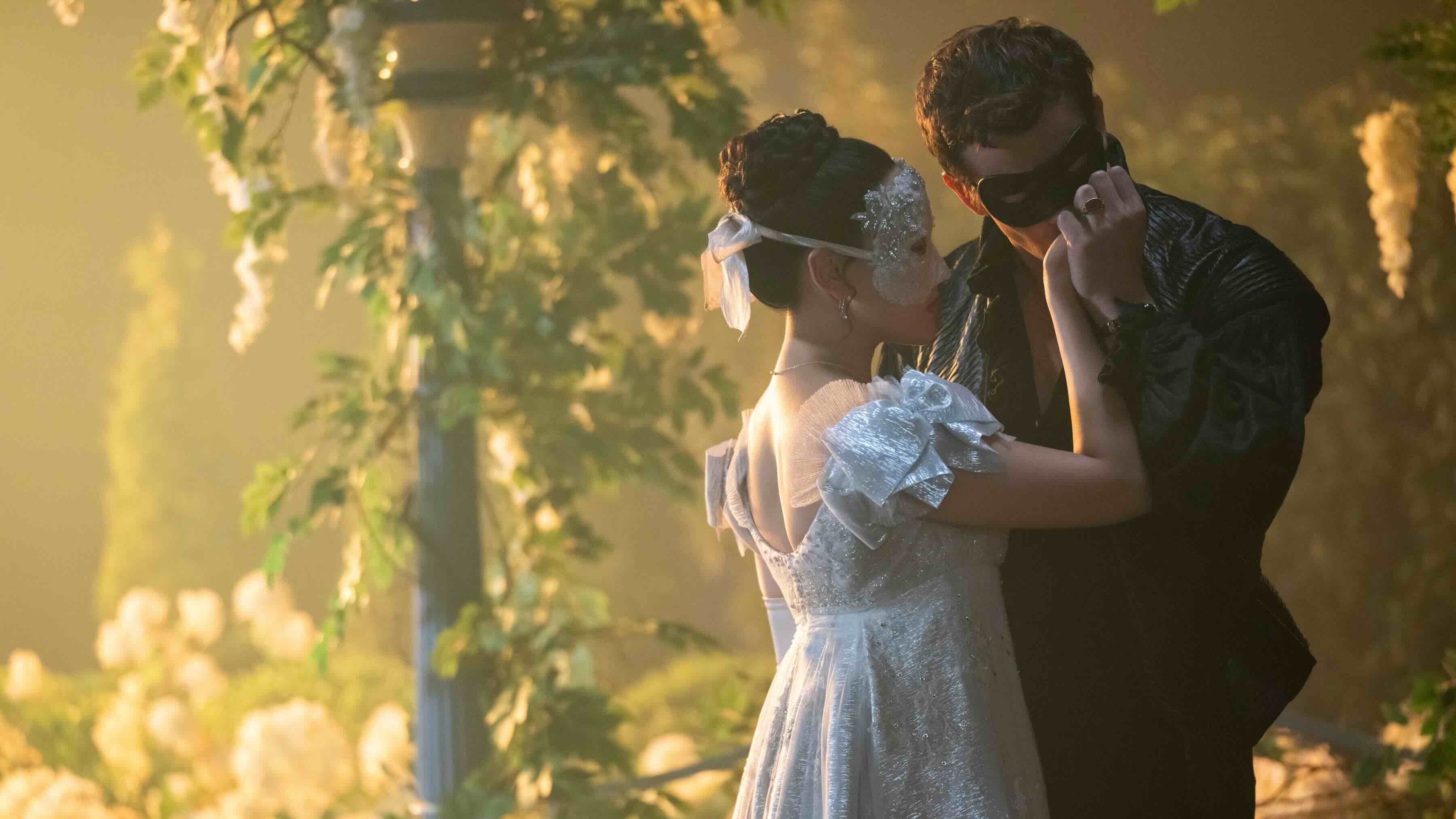
In Bridgerton, gloves are used deliberately to heighten tension and intimacy. A gloved hand brushing against another carries restraint, while the act of removing a glove becomes quietly charged—transforming a small gesture into a moment of emotional significance.
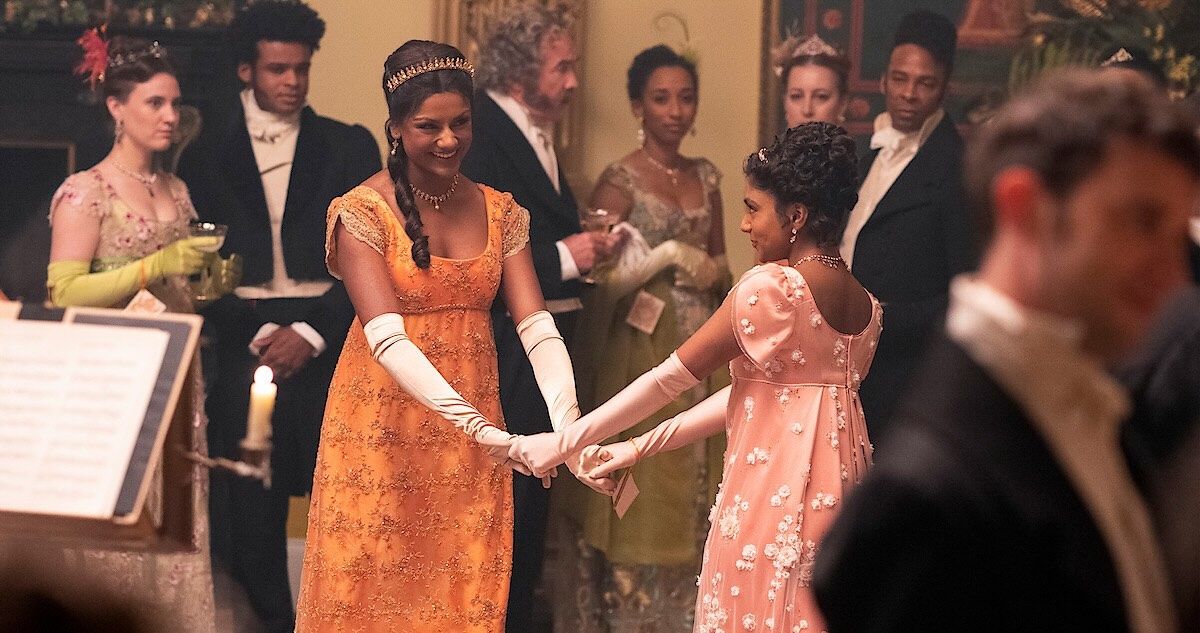
In the masquerade ball, Benedict Bridgerton removes one of Sophie’s gloves. When she runs off in disguise, he’s left holding it — a clear Cinderella-style clue. This transforms a simple gesture into an unmistakably intimate act. What might appear fleeting instead carries the weight of flirtation, subtly crossing the boundary between decorum and desire.
Today, silk gloves are re-emerging in eveningwear and editorial fashion, often styled with sleeveless dresses or sharp tailoring. They no longer symbolize modesty in the same rigid sense, but they retain their association with elegance and intentional dressing.

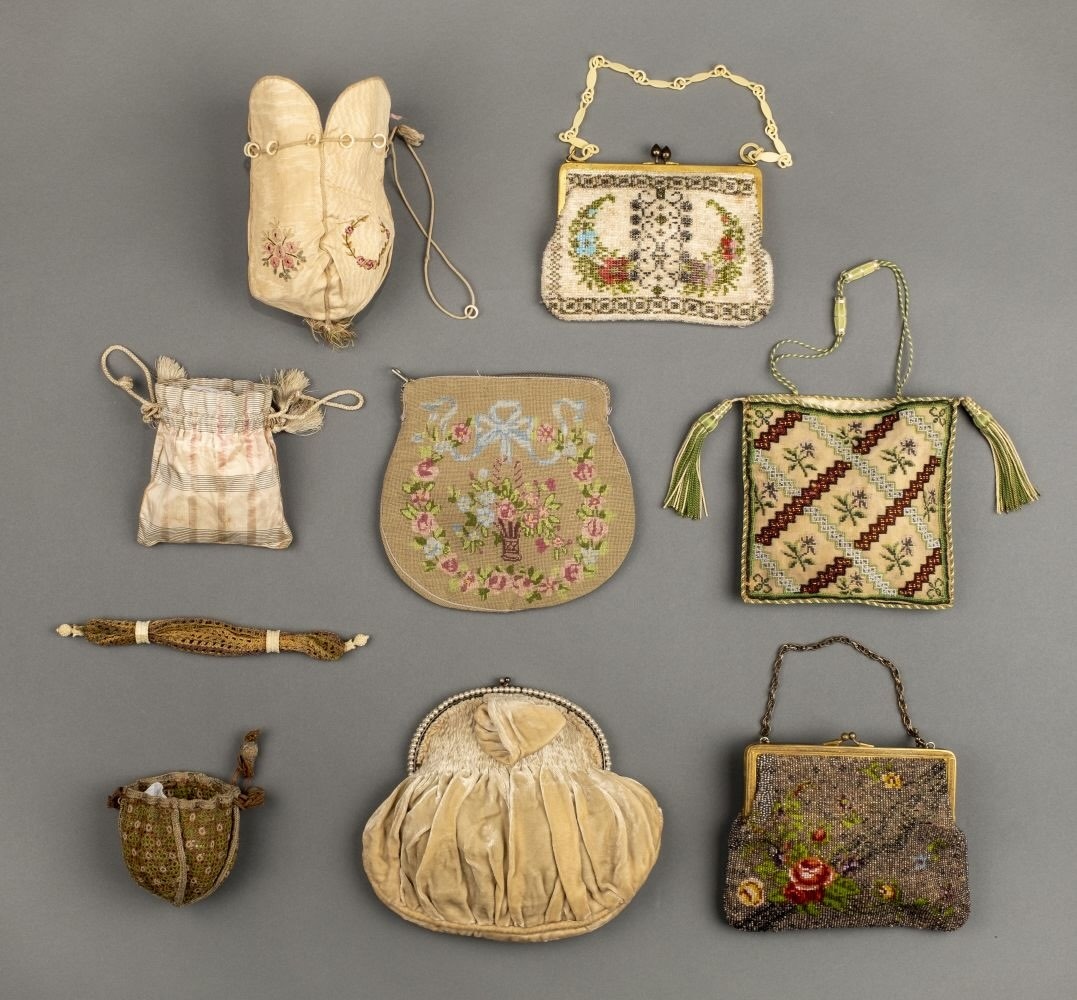
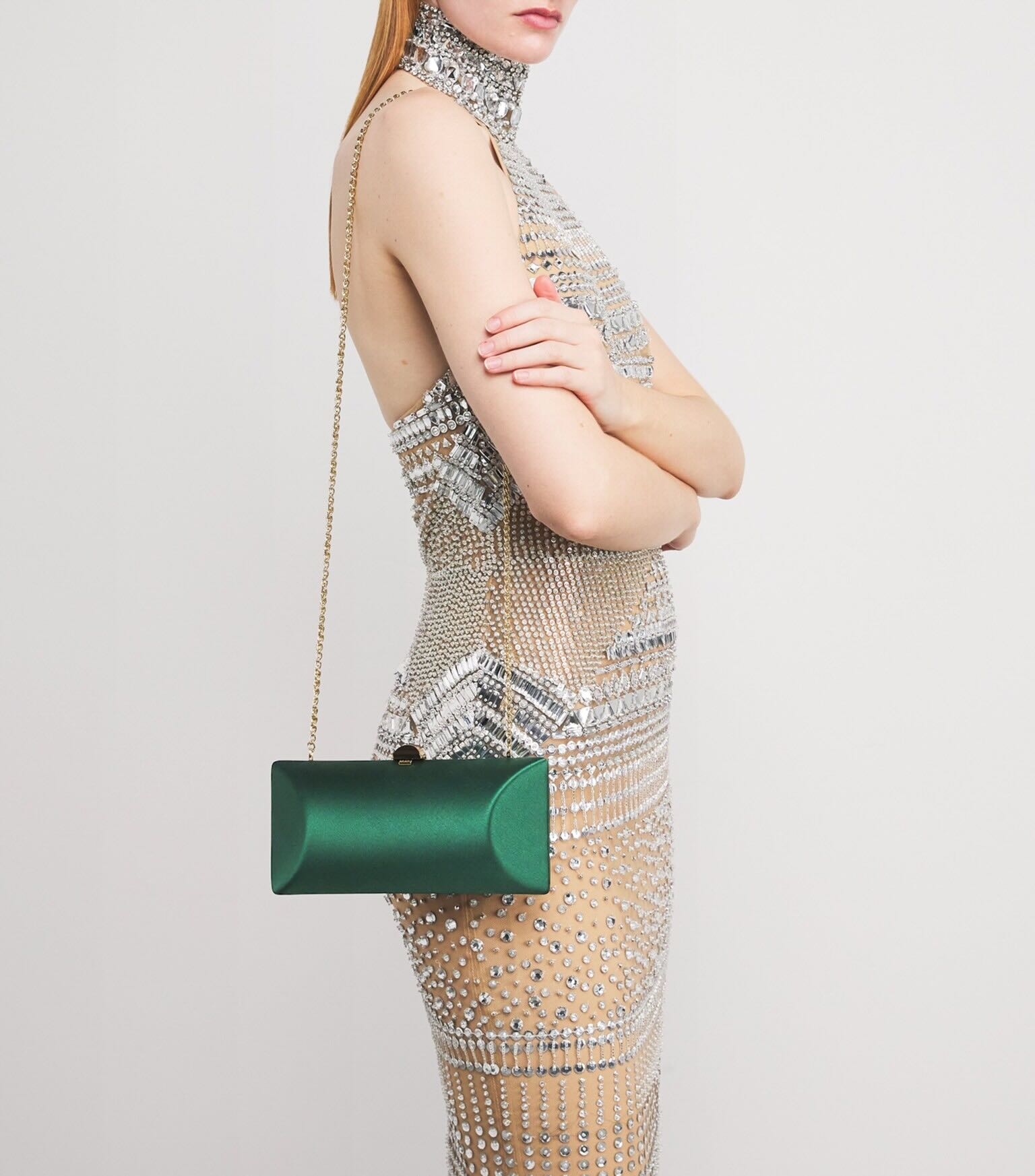
As dresses in the Regency era became slimmer and more column-like, traditional pockets disappeared. In their place came the reticule—a small drawstring handbag, often crafted from silk and richly embroidered.
This is a silk embroidered reticule dating from around 1830. It is embroidered with silk floss and chenille thread with raised silk muslin applique flowers, which are remarkably realistic and recognisable as roses, daffodils, violas and forget me knots.
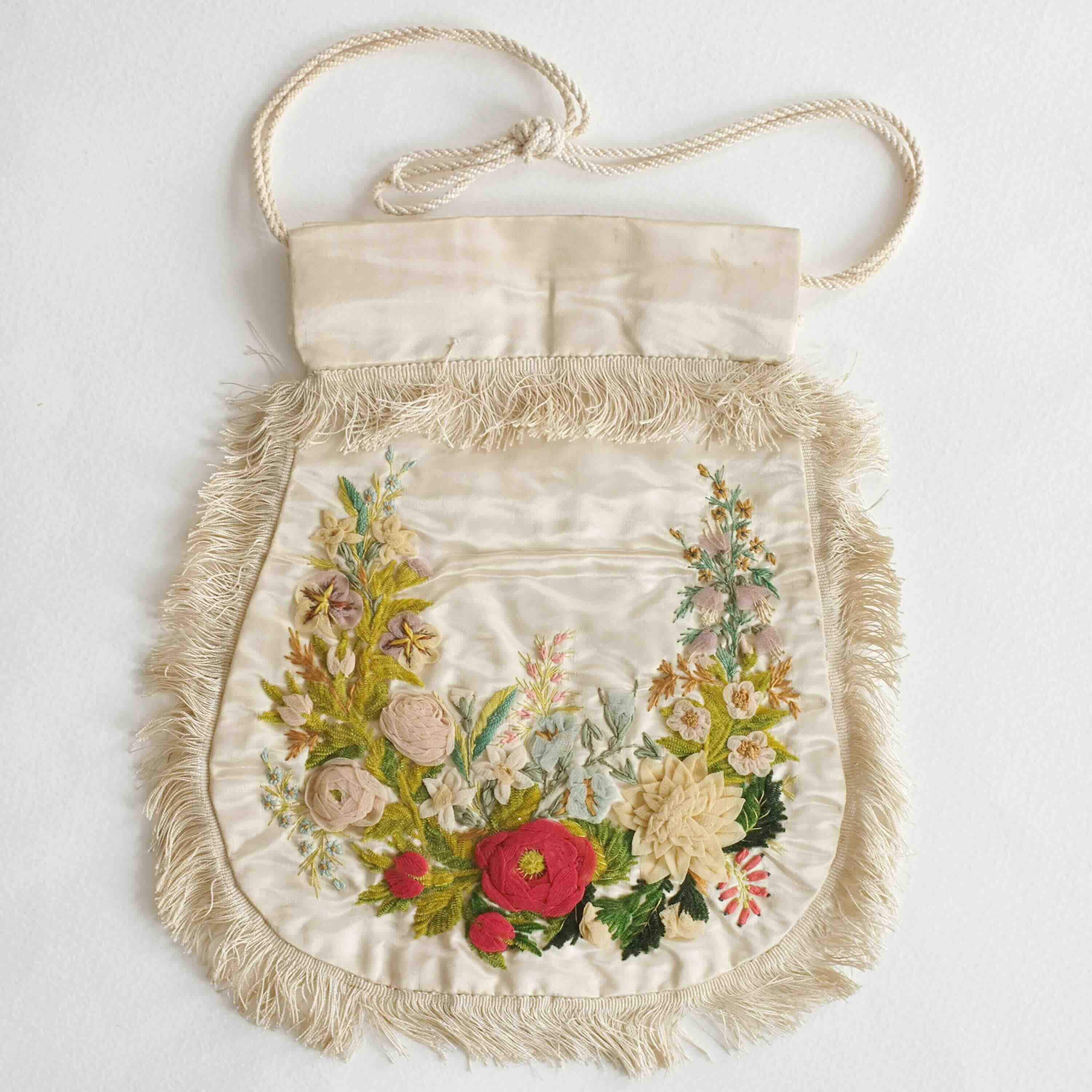
Though modest in size, reticules offered rare freedom. Within a society governed by strict dress codes, these accessories became a canvas for individuality. Women could choose intricate embroidery, bold colours, or delicate beadwork to subtly distinguish themselves.
Reticules also reflected taste and accomplishment. Many were handmade, showcasing needlework skills that were highly valued in polite society.
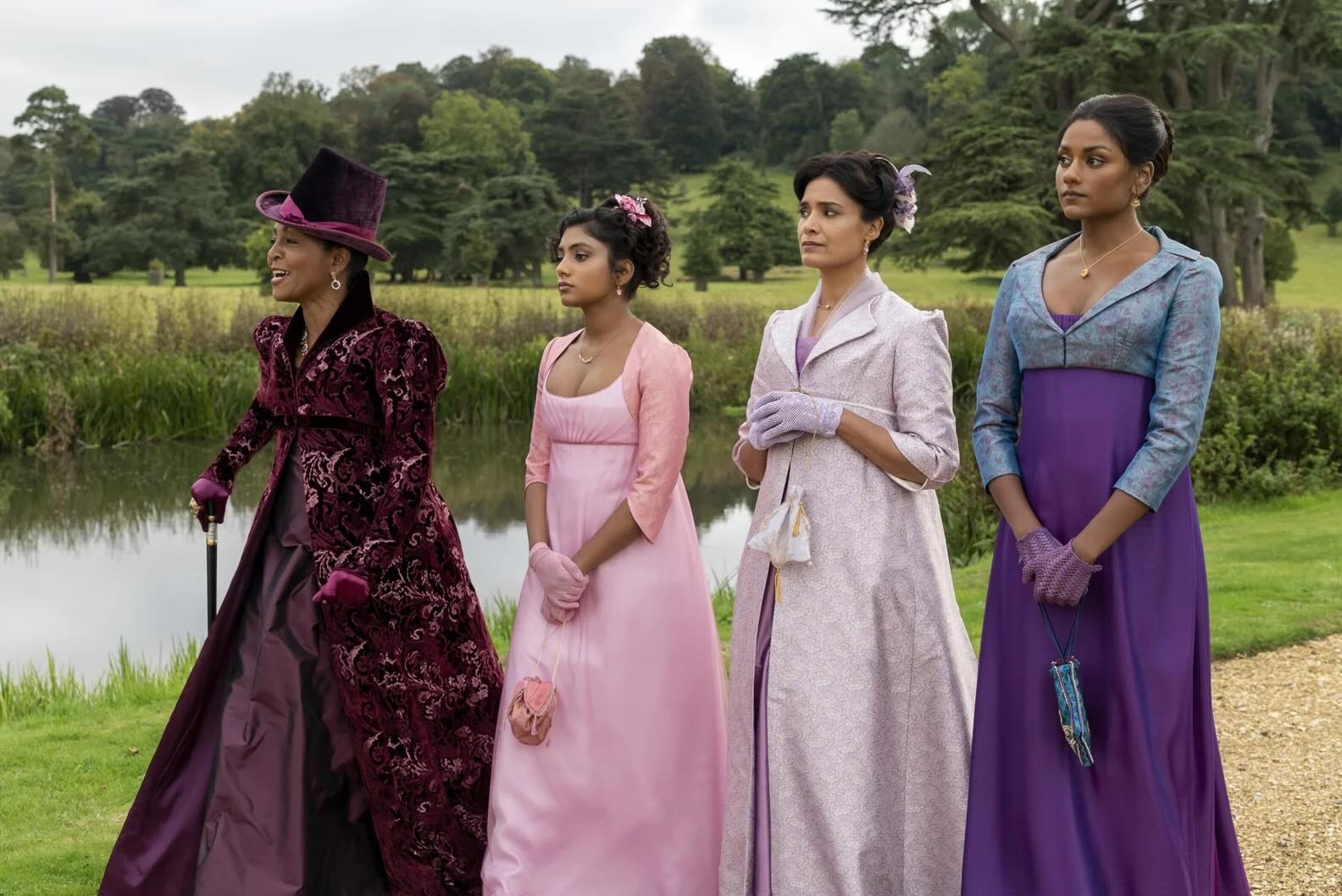
In Bridgerton Season 2 (2022), Sisters Kate and Edwina Sharma arrive at Lady Danbury's with their mother, Mary Sharma. Each of the three ladies was carrying a silk reticule which matches their outfit.
In the present day, though practicality may have long since prevailed, the spirit of the reticule lives on. The smallest of bags still carry the greatest of statements—suggesting that what one chooses to carry, and how, remains a matter of personal distinction.
Silk shawls of the Regency era were objects of both beauty and ambition. Often imported from distant lands—India and China among them—they spoke not only of wealth, but of a world growing ever more connected. To wear one was to display not merely taste, but access—to trade, to luxury, to the wider world beyond England’s shores.
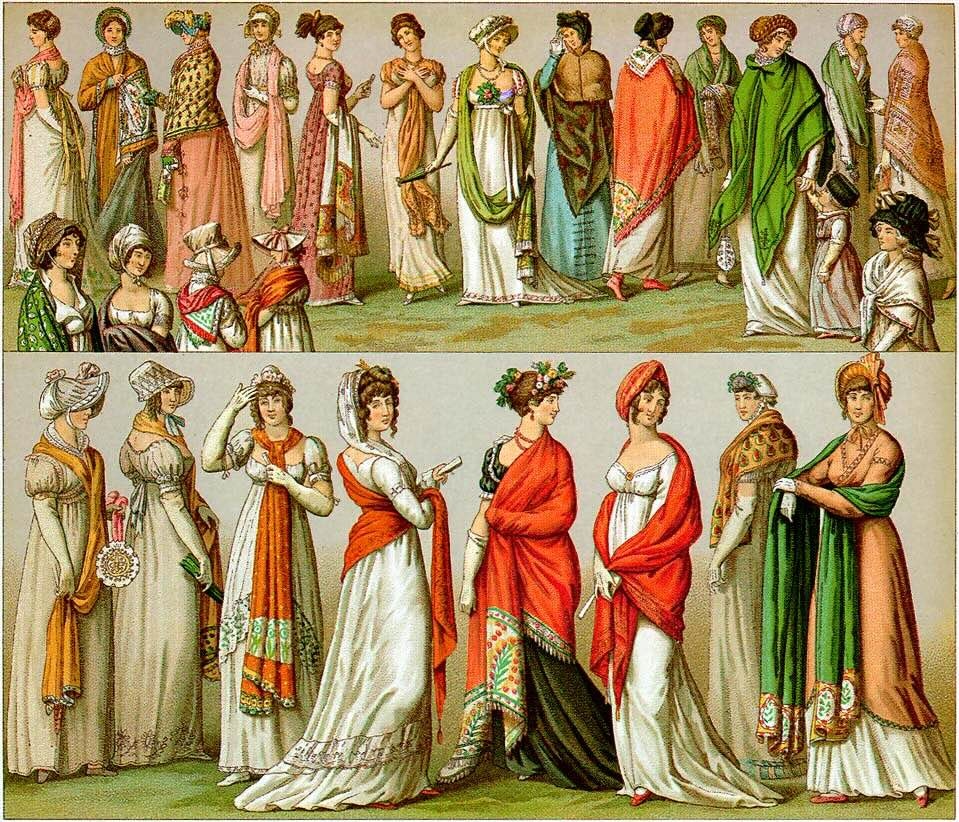
Gracefully arranged about the shoulders, a silk shawl softened the stark simplicity of Regency gowns, adding movement, colour, and a quiet opulence.
In Bridgerton, shawls serve much the same purpose. They drift through scenes with effortless elegance, enhancing both silhouette and sentiment, as though each fold were composed with intent.

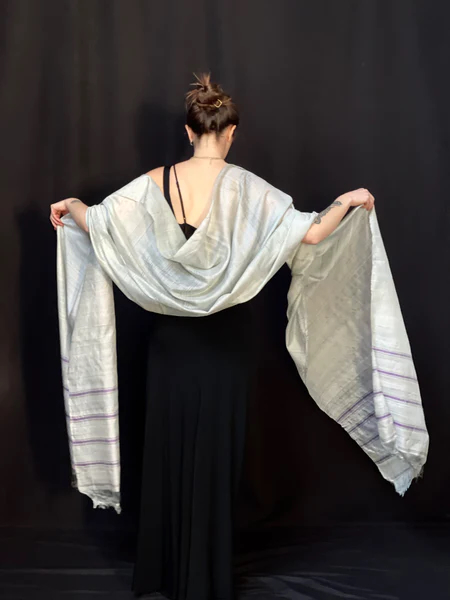
Today, silk shawls and scarves remain one of the most versatile accessories. They move effortlessly between seasons and styles—worn over eveningwear, layered with casual outfits, or styled as statement pieces.
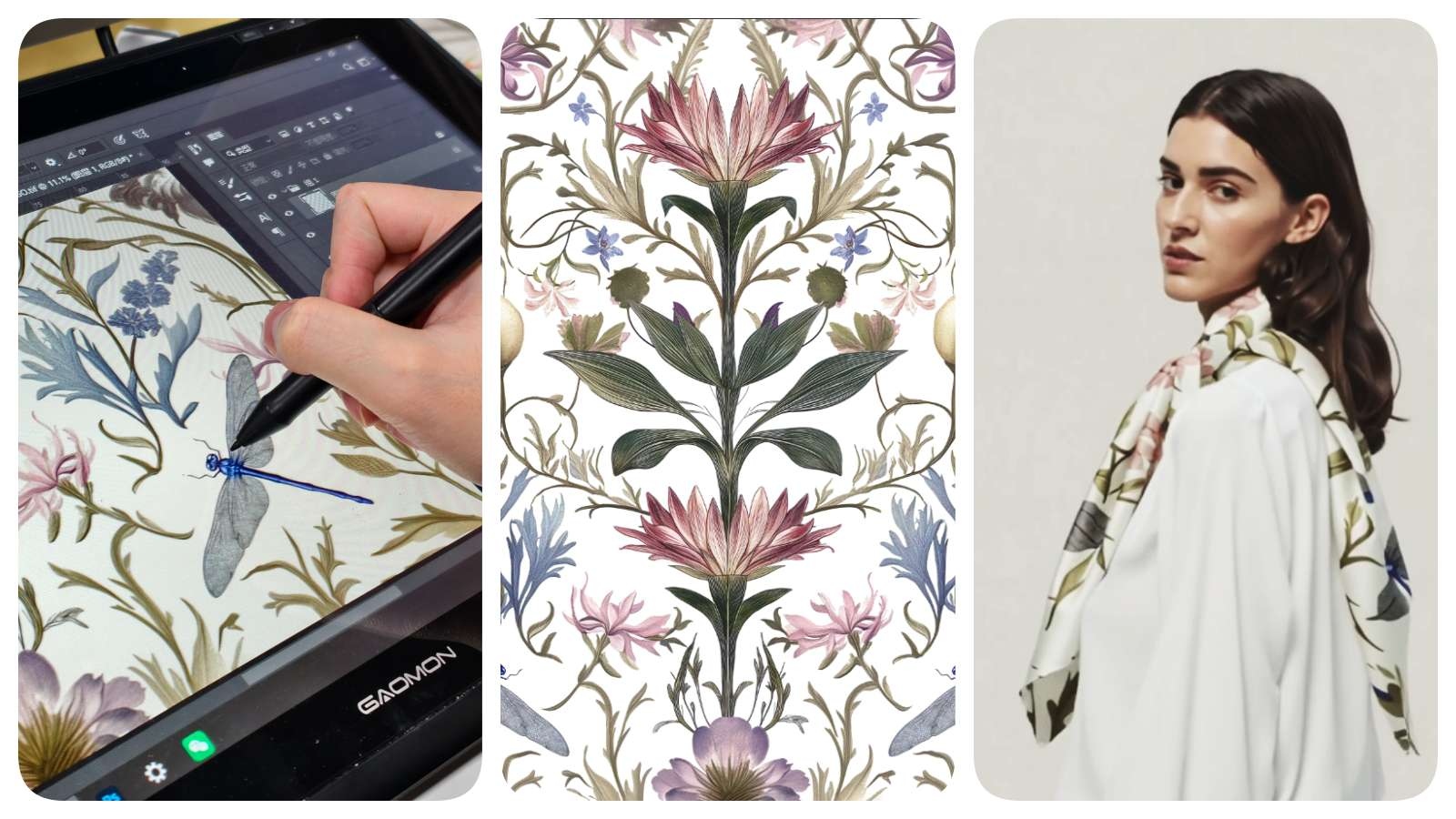
At Docsun, we serve hundreds of customers for their custom-made silk scarf businesses every year. We are surely the expert of silk scarves, shawls and more! Check out our cases here for more details.
If the gown establishes the impression, it is the hair—and its adornment—that completes the intrigue.
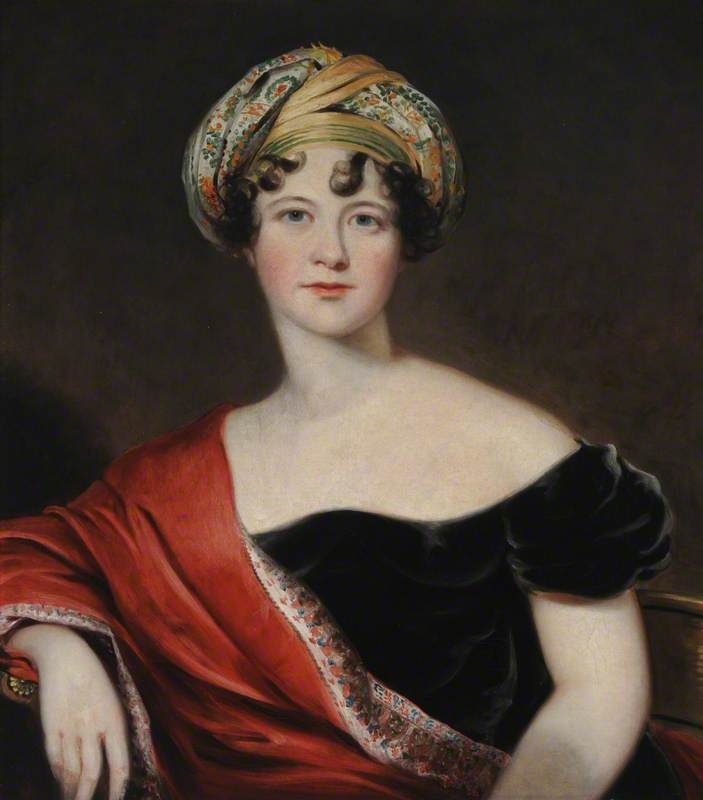
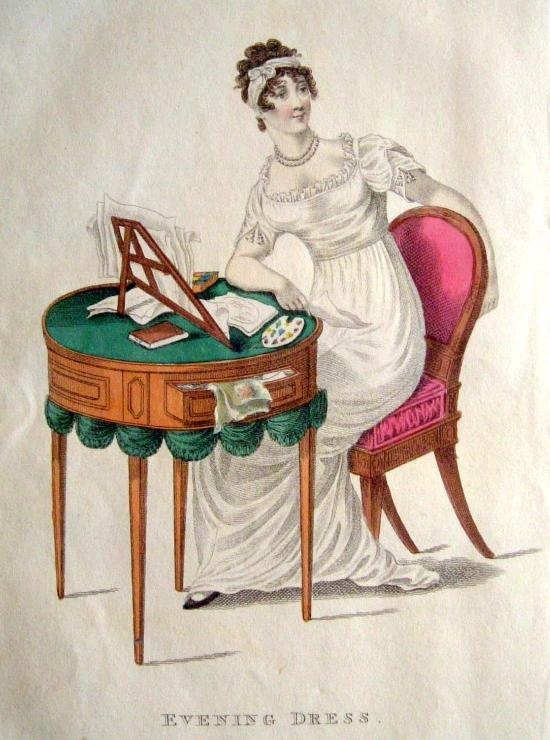
Regency coiffures, though artfully arranged, relied greatly upon their embellishments. Silk ribbons, delicate wraps, and the occasional turban lent both softness and distinction, transforming simplicity into something altogether more memorable.
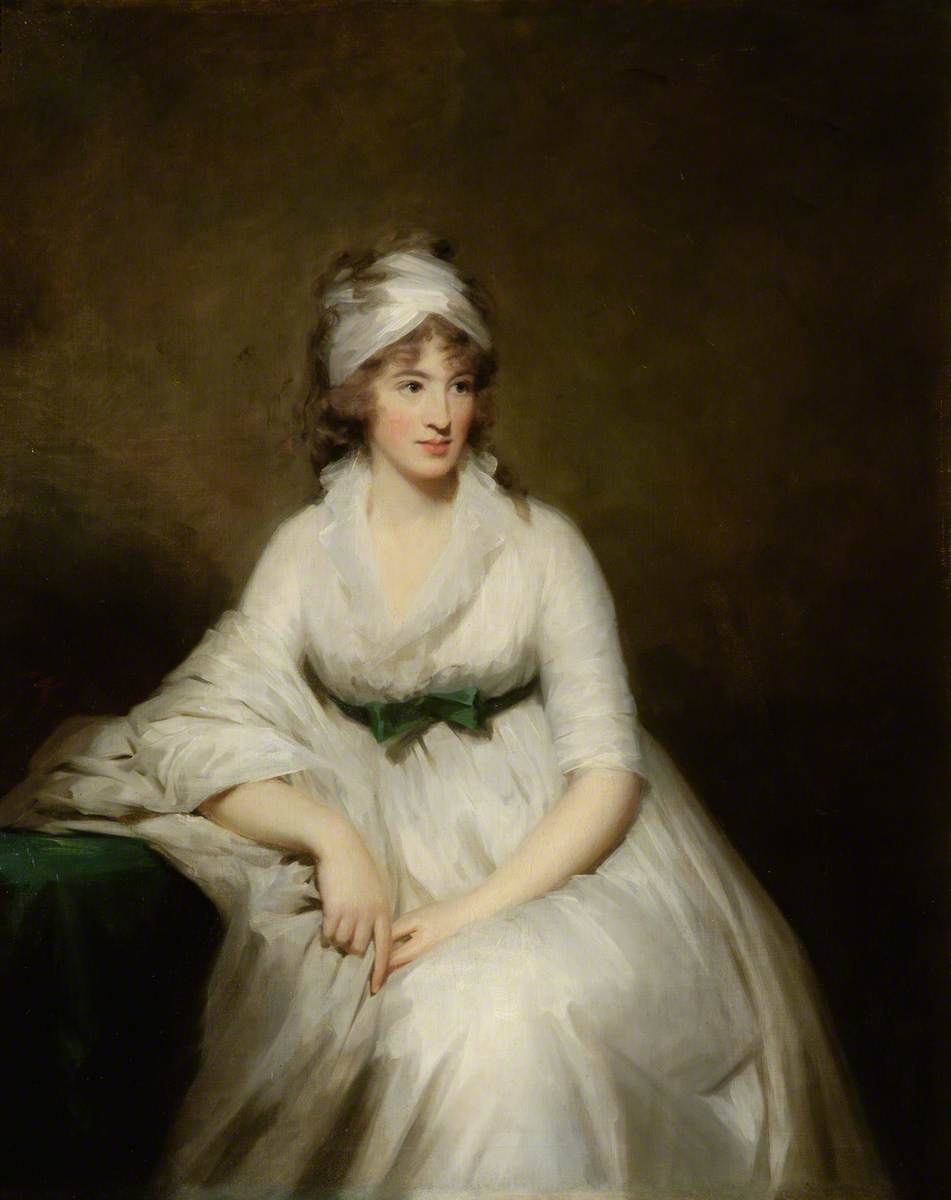
The turban, in particular, revealed society’s fascination with distant cultures. Crafted from fine silk and often adorned with jewels or feathers, it suggested a certain worldliness—whether earned or merely implied.
Ribbons, by contrast, offered subtler charm. A carefully chosen hue might echo a gown, frame the face, or lend a youthful lightness to an otherwise composed appearance.
In Bridgerton, hair accessories are key to character styling. They enhance the softness and femininity of each look while also hinting at individuality—whether through delicate ribbons or more dramatic headpieces.
In this season, a particularly thoughtful detail lies in Sophie’s hair styling: the silk bow introduced at the masquerade reappears in her wedding look, evolving from a symbol of mystery into one of openness and commitment—an elegant visual thread tying her story together.
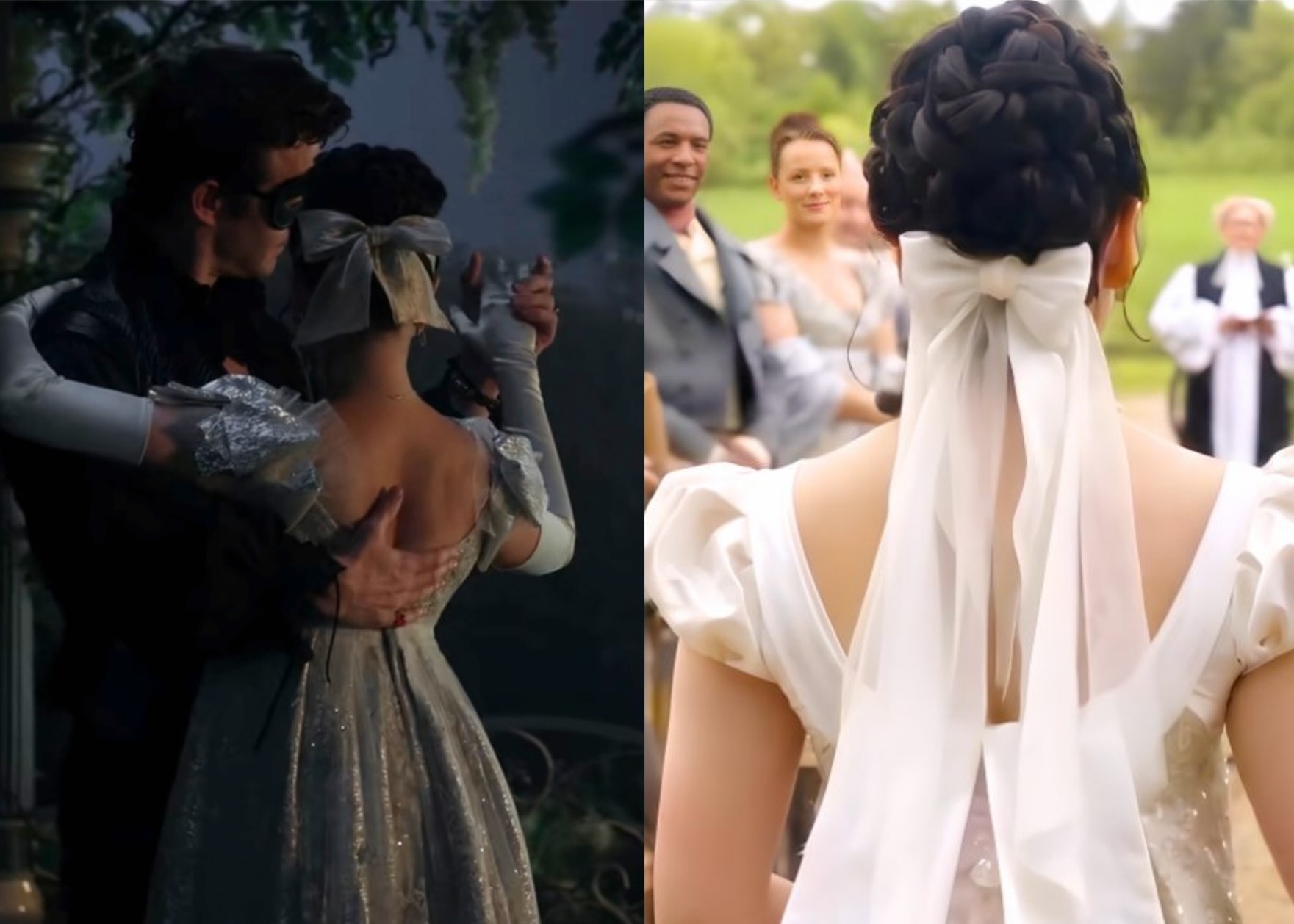
Hair accessories are one of the strongest links between Regency fashion and current trends. Silk scarves, headbands, and wraps are widely embraced across global fashion scenes—from European minimalism to East Asian soft styling aesthetics.
Talking about silk hair accessory fashion, Docsun has such a strong say to it. From the comfiest yet strong scrunchies to beautifully printed bow ribbons, we are making hundreds of thousands of them for our global wide clients every year.
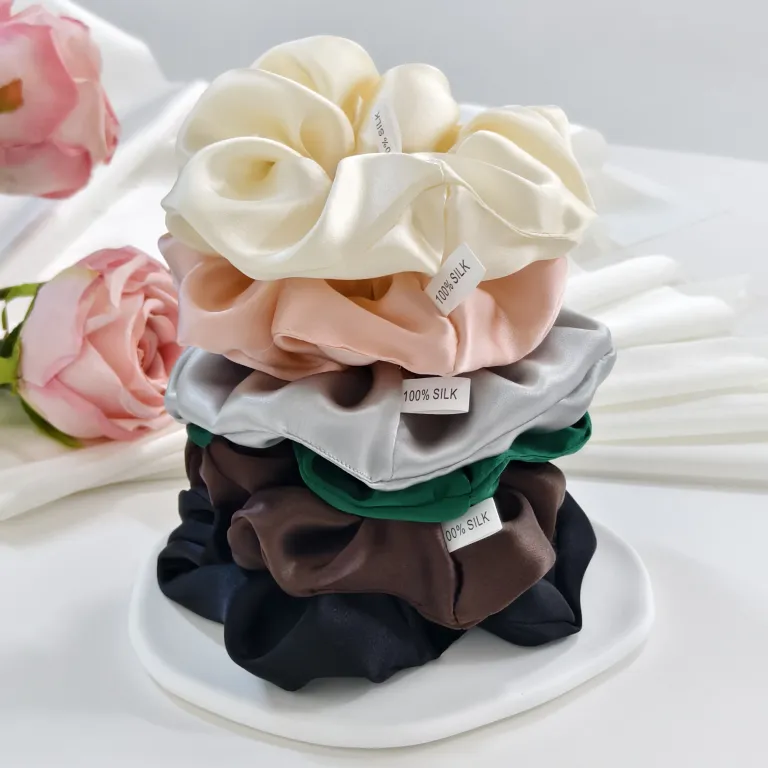
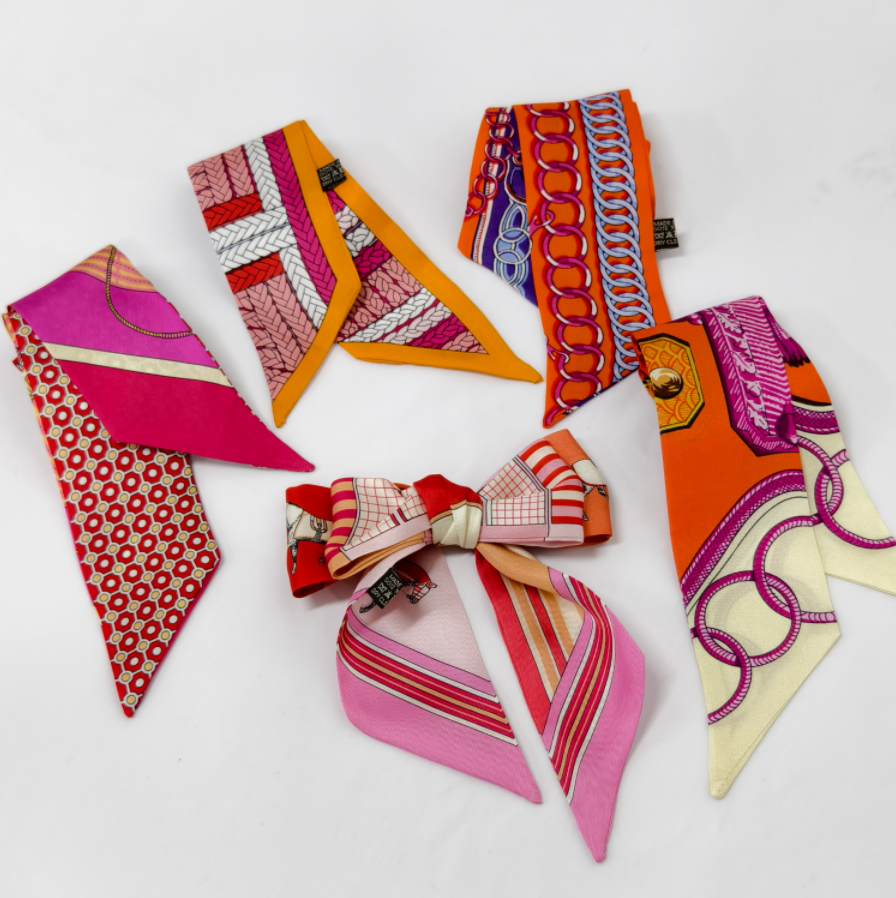
Regency silk accessories were never just decorative—they were expressive tools within a carefully structured society. Each glove, reticule, shawl, or ribbon carried meaning, balancing social expectations with personal identity.
Today, as fashion once again embraces romanticism and detail, these pieces feel strikingly relevant. The language of silk has not disappeared—it has simply evolved, continuing to tell stories through texture, movement, and style.