Language
Author: Grace Pan
Source: Docsun Home and Living
Dearest gentle reader,
It has come to this author’s attention that while society may pretend to value wit, lineage, and advantageous matches above all else, there is also a very important element that reveals the truest measure of a person – the fabric. For what is a debutante without her silks, or a ballroom without its shimmer of light upon satin and gauze?
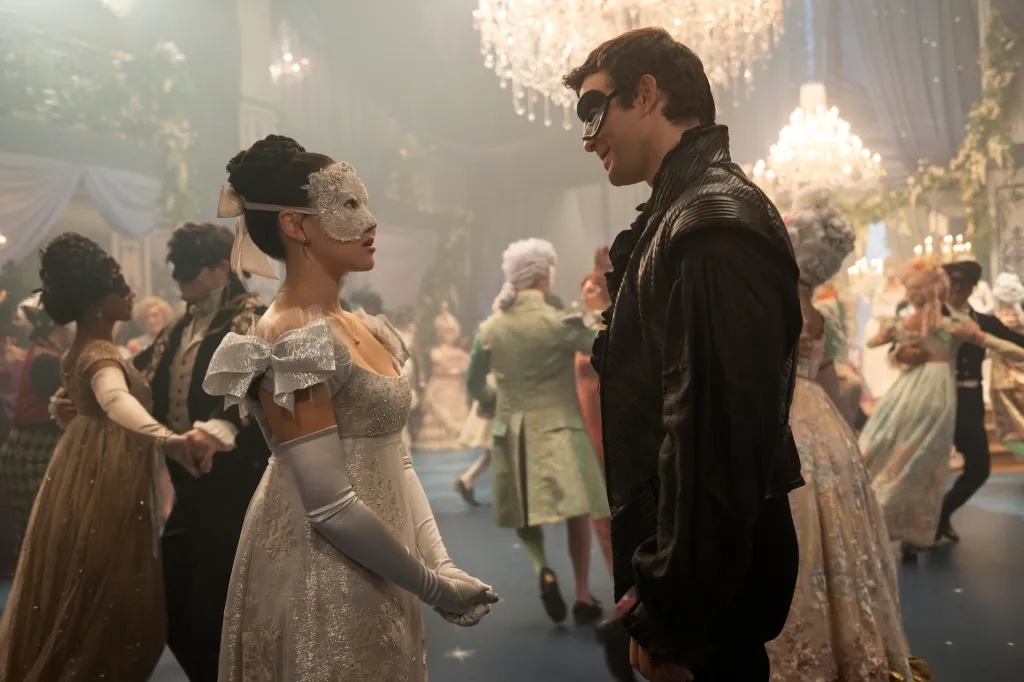
One need only observe the world of Bridgerton to understand that fashion in the Regency era was never mere adornment. It was language. It was strategy. And, for those daring enough, it was power.
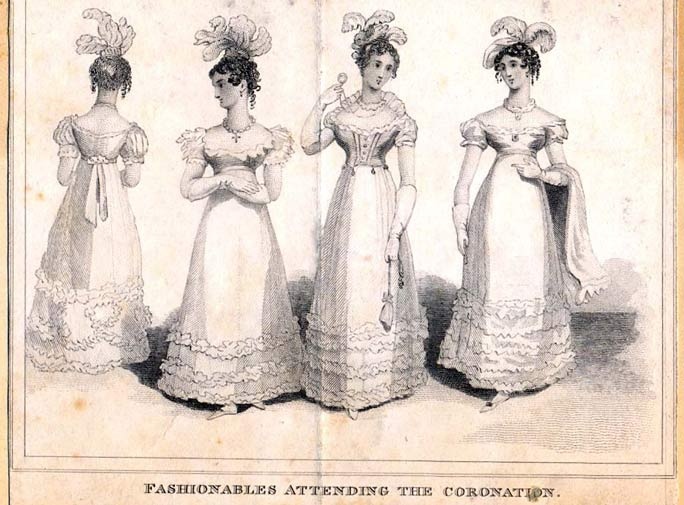
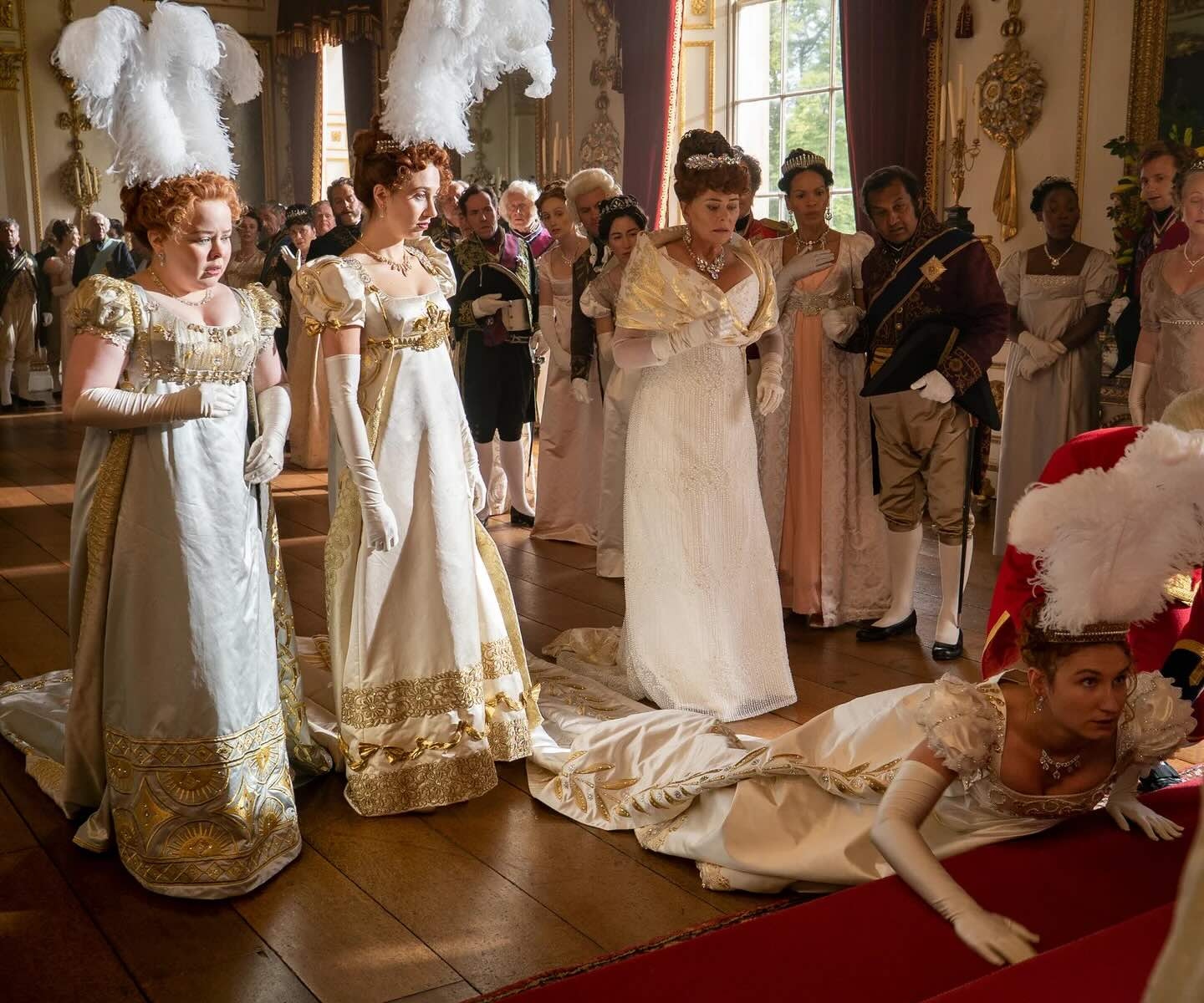
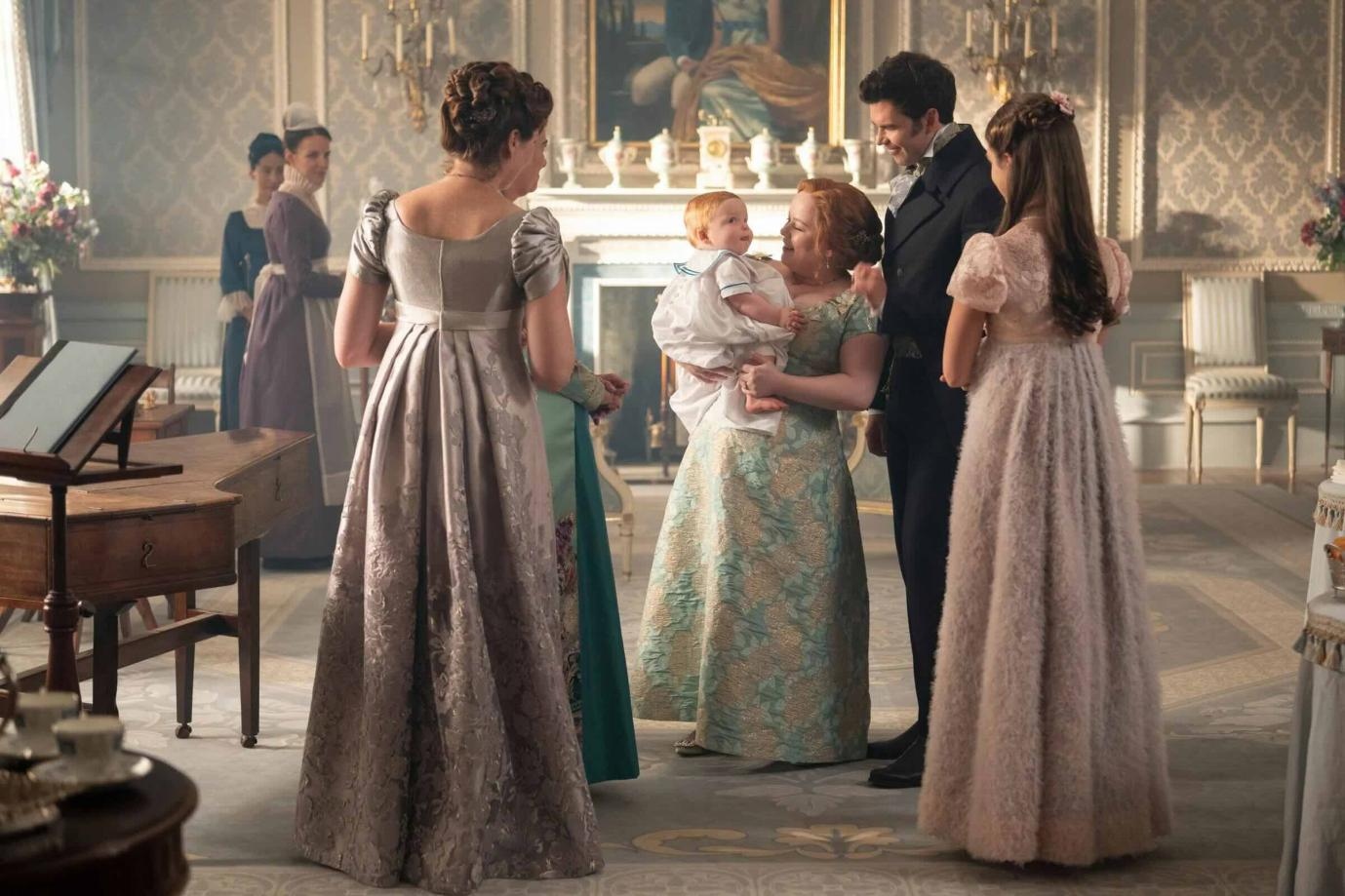
The Regency aesthetic is defined by its softness: empire waistlines that fall gently from beneath the bust, skirts that skim rather than structure, and fabrics that float rather than constrain. In Bridgerton, this visual world is rendered in a palette of delicate pastels—pastel blues, blush pinks, pale lilacs—each hue carefully chosen to enhance youth, beauty, and desirability.
And yet, beneath this apparent simplicity lies remarkable intention. For it is the fabric itself—its sheen, its movement, its origin—that determines whether a lady merely participates in society… or commands it.
Silk satin, with its luminous surface, was the fabric of evening ambition. It caught candlelight with a brilliance that ensured its wearer could not easily be overlooked. To appear at a ball in satin was to declare oneself prepared to be seen, and perhaps, admired.
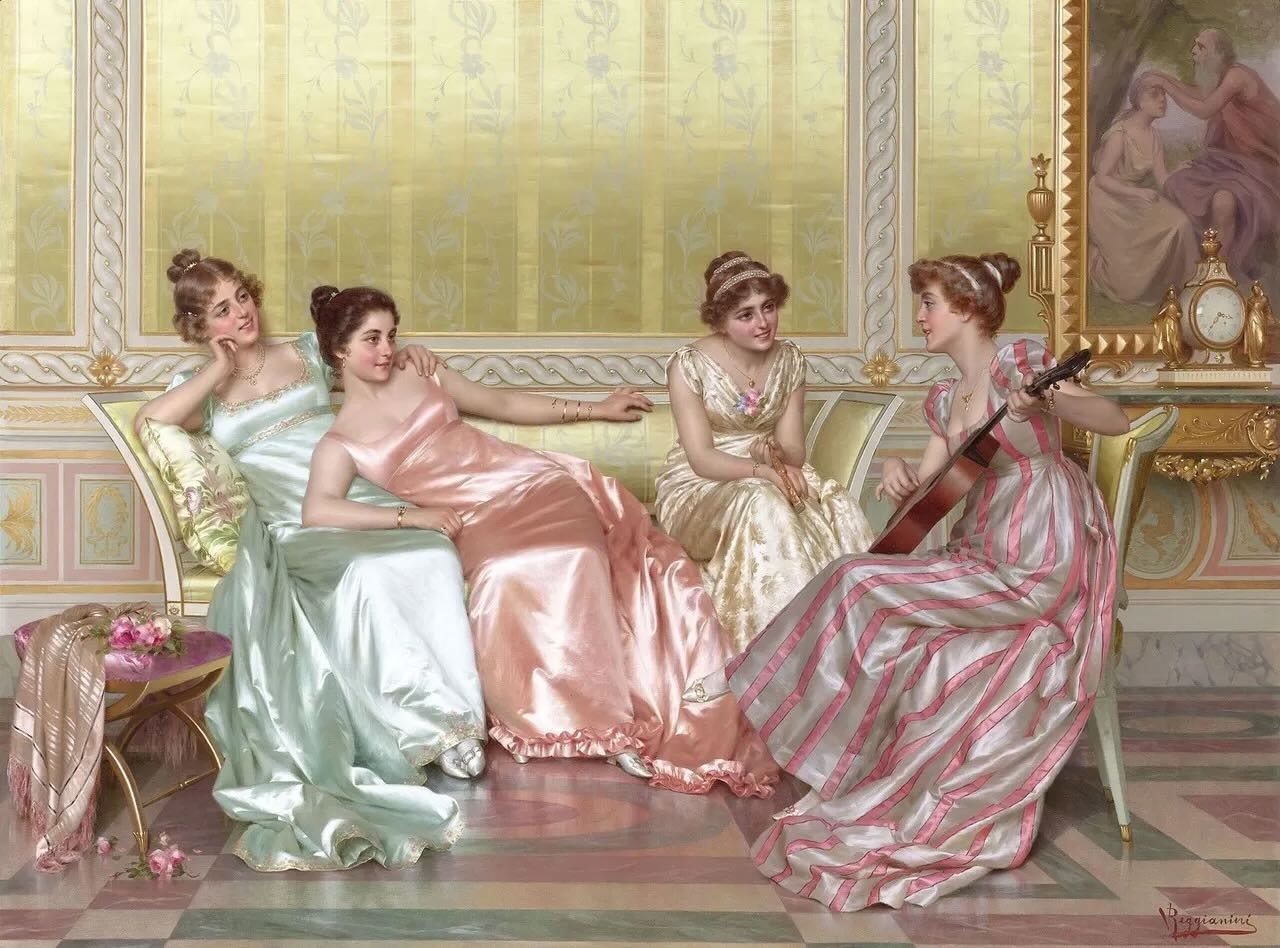
In contrast, silk gauze and chiffon-like materials offered a softer allure. These sheer layers, often worn over more structured undergarments, created an effect of air and movement, as though the wearer might drift rather than walk.
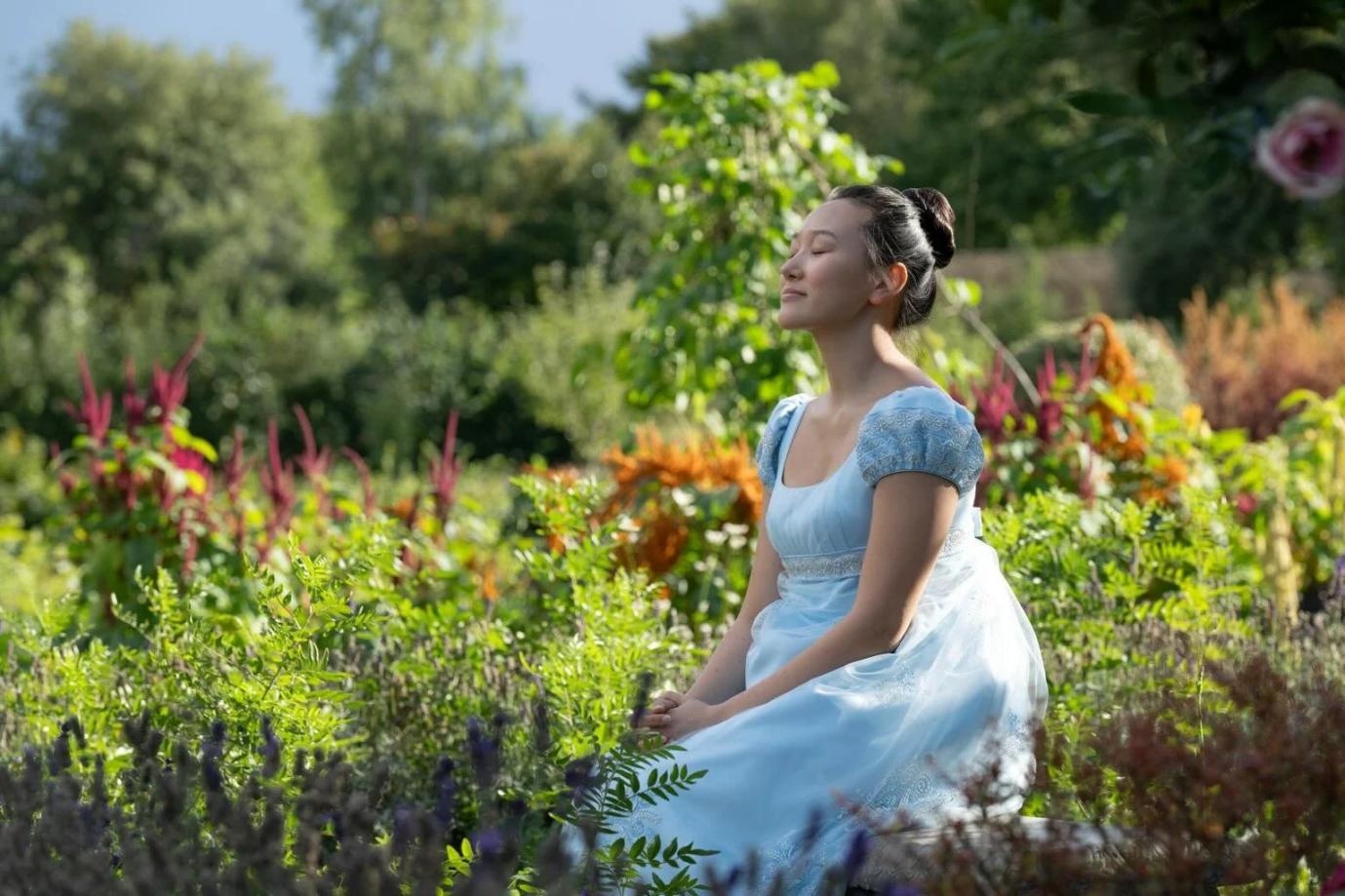
And then, there is Spitalfields silk, a name whispered with particular pride in England. Produced in London by skilled Huguenot weavers, these textiles represented local luxury at its finest. To wear Spitalfields silk was to demonstrate not only wealth, but discernment, a most enviable combination.
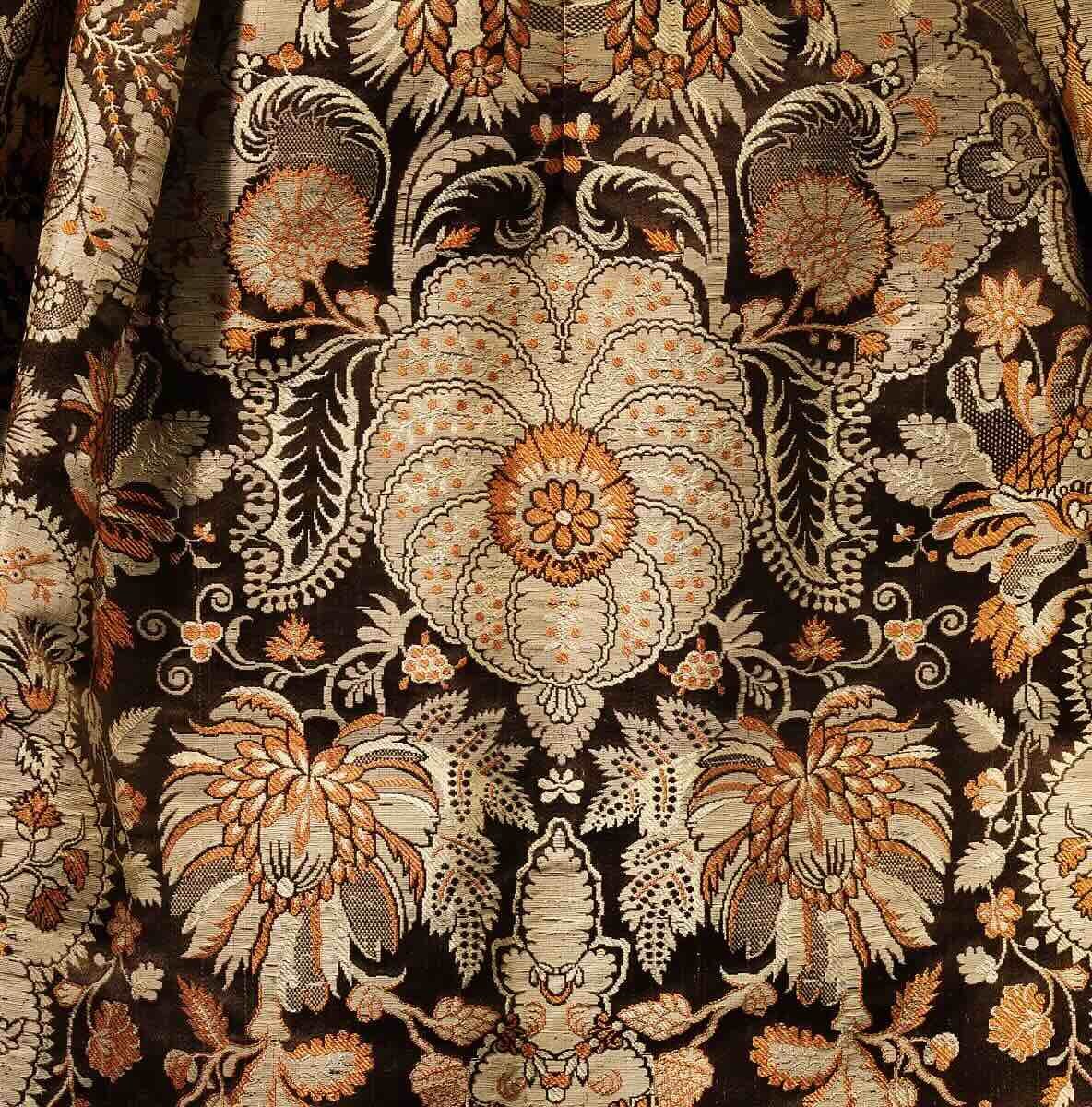
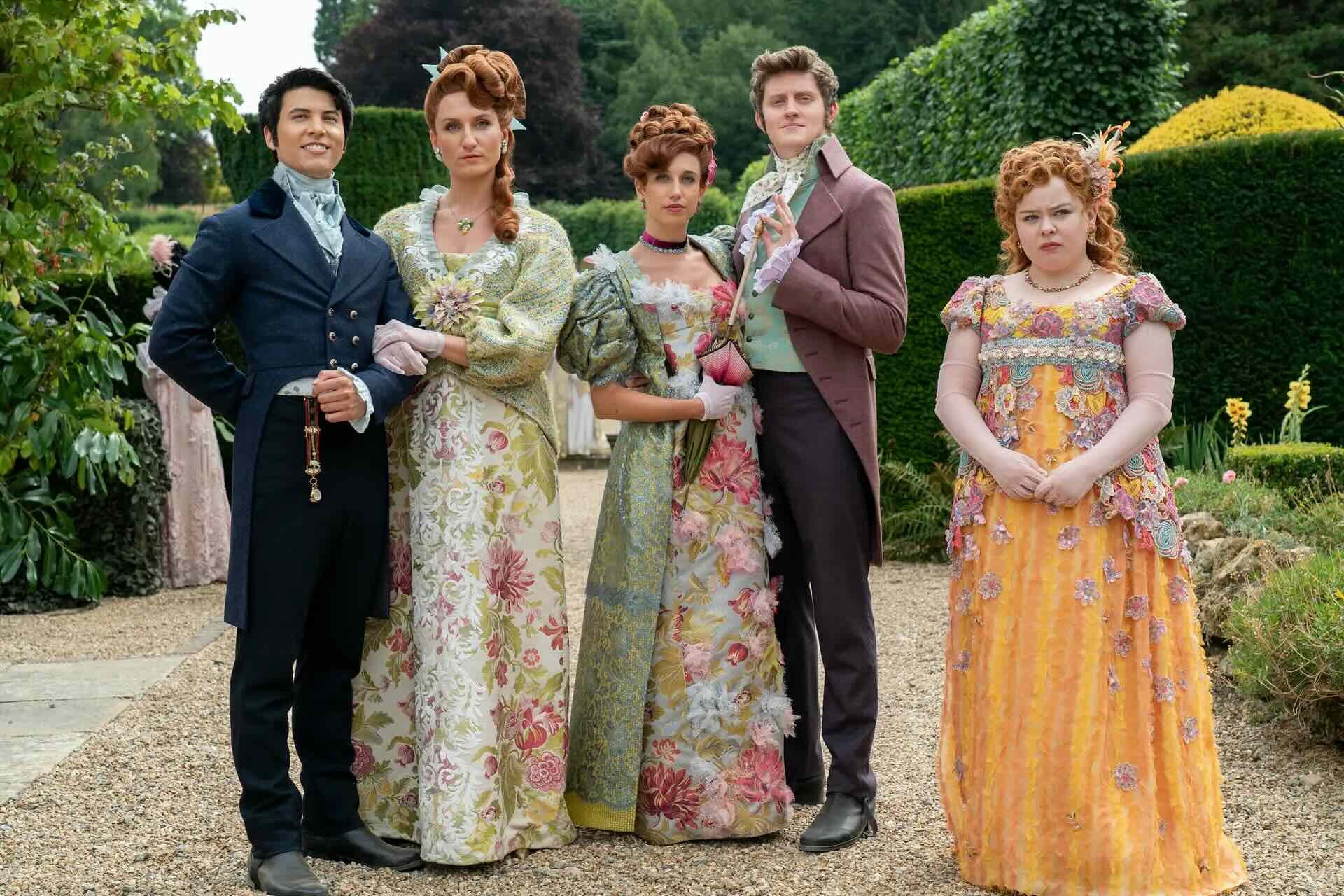
While some may believe colour alone carries meaning, one must never underestimate the persuasive power of pattern. In Bridgerton, such details are no accident. They serve to distinguish character from character, ensuring that even within the strict uniformity of society, individuality quietly persists.
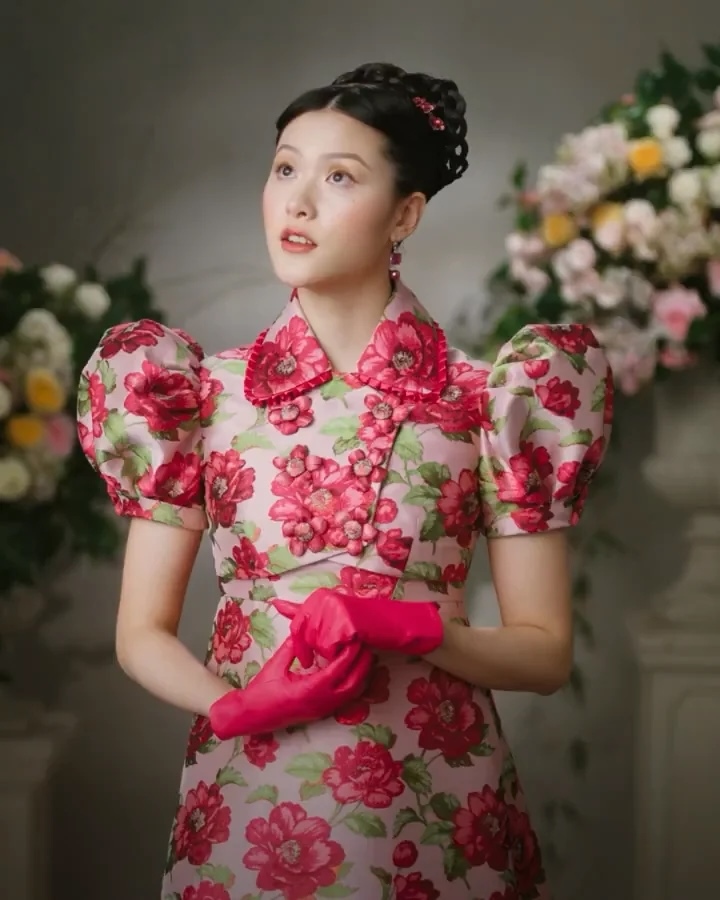
Florals, ever the favourite, adorned gowns with vines, blossoms, and trailing motifs. They spoke of romance, of nature, and of a certain softness that society found most agreeable. A lady in florals suggested not only beauty, but an affinity with the natural world—whether genuine or carefully curated.
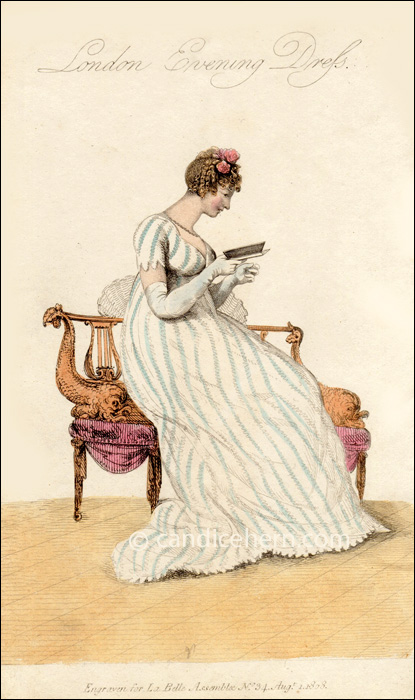
Stripes, by contrast, carried a more curious reputation. Surprisingly prevalent, they introduced structure and rhythm to otherwise fluid silhouettes. Horizontal or vertical, bold or faint, stripes hinted at modernity and confidence—qualities not always encouraged, yet often admired.
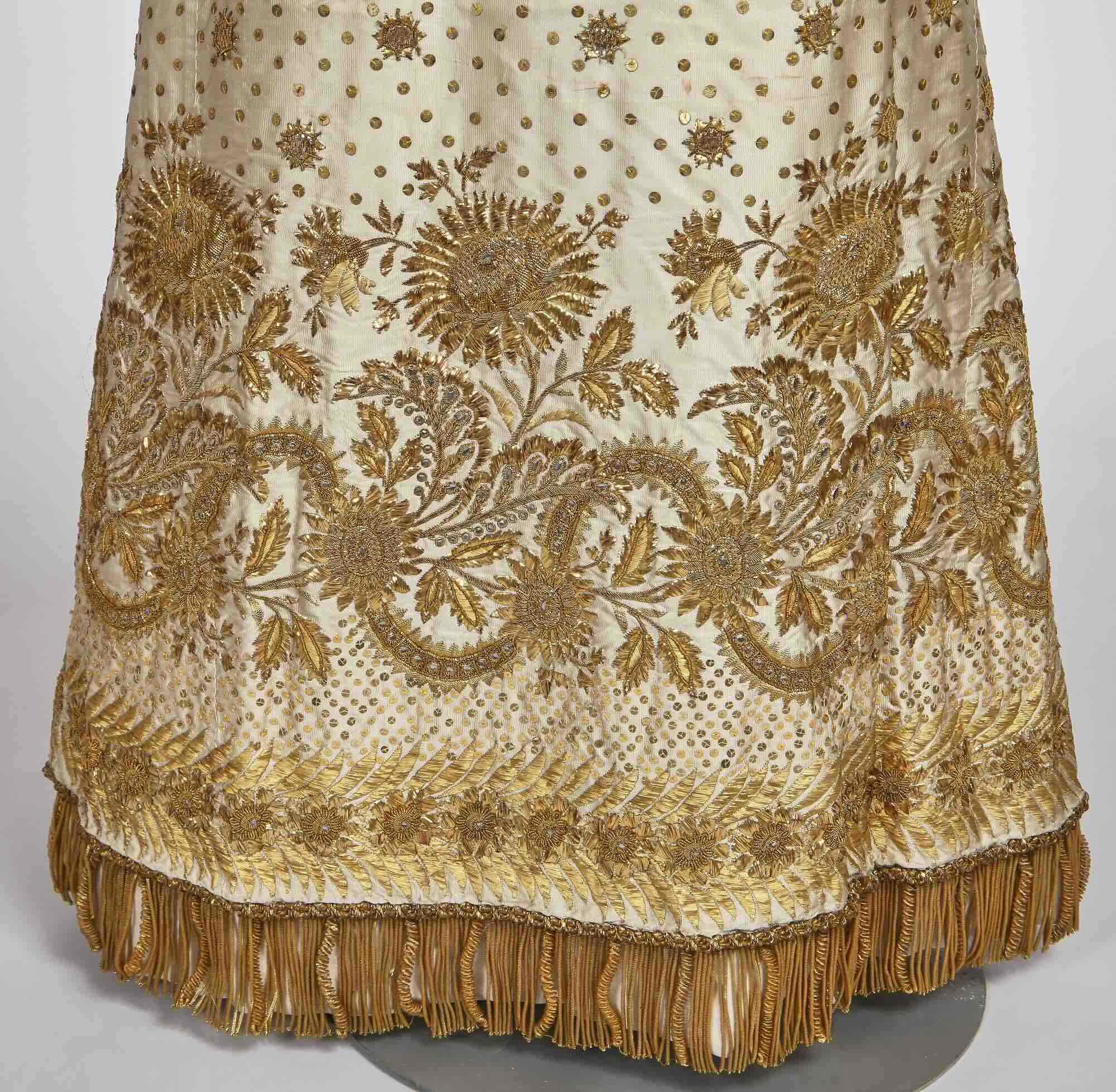
Embroidery, however, was where true artistry revealed itself. Delicate threads tracing flowers, leaves, and intricate designs transformed fabric into something altogether more personal. Each stitch suggested time, skill, and intention—luxuries in themselves.
It would be most remiss not to acknowledge that behind every exquisite gown lies a far more complex story.
The silks of Regency England were not confined to its shores. They arrived from China, from India, from France, carried along trade routes that connected continents and cultures. Each imported textile bore with it not only beauty, but the weight of empire and exchange.
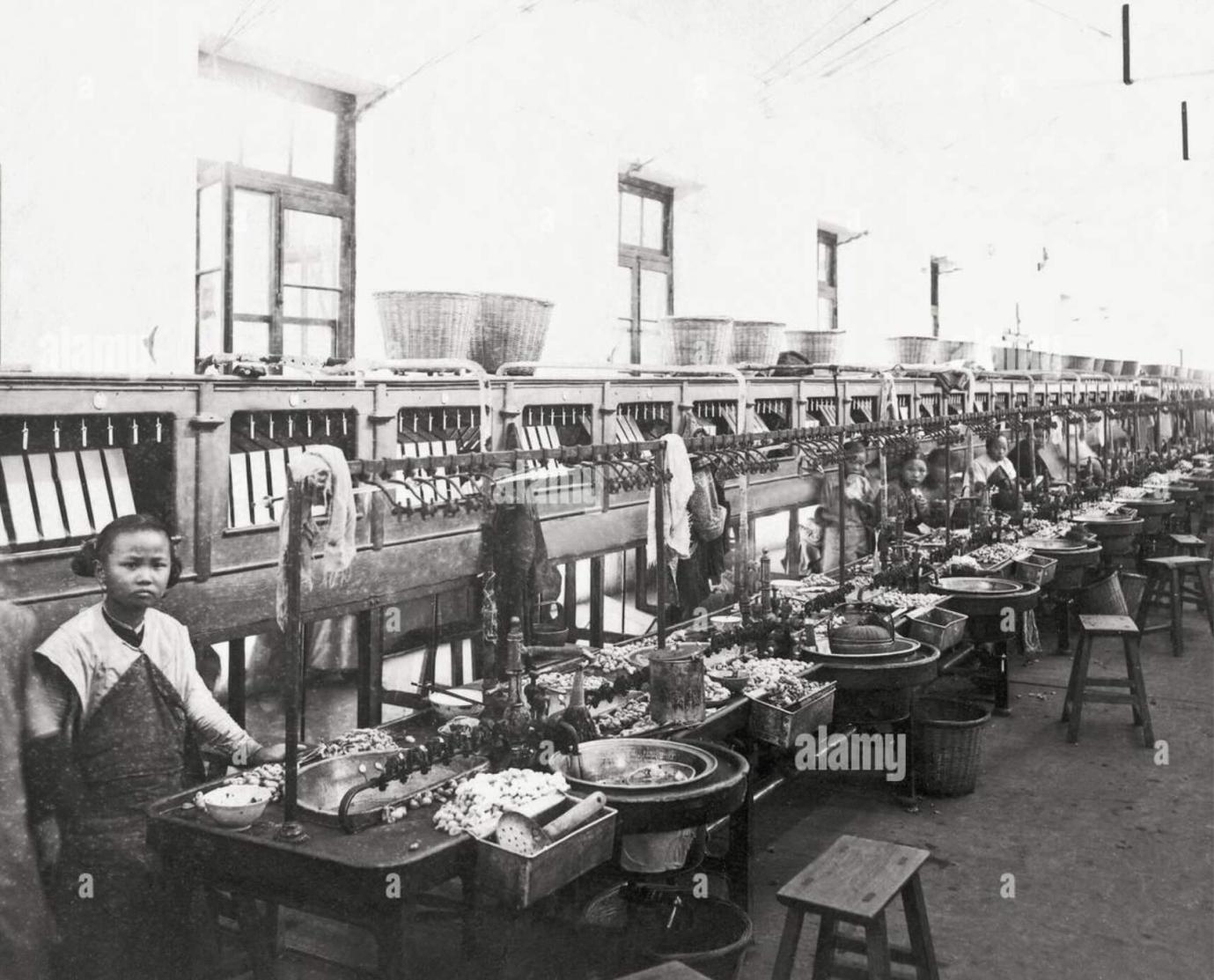
At the same time, the rise of industry began to shift the balance between handmade artistry and mechanised production. While the elite continued to prize handwoven silks, the broader availability of textiles quietly transformed fashion from an exclusive privilege into an increasingly accessible pursuit.
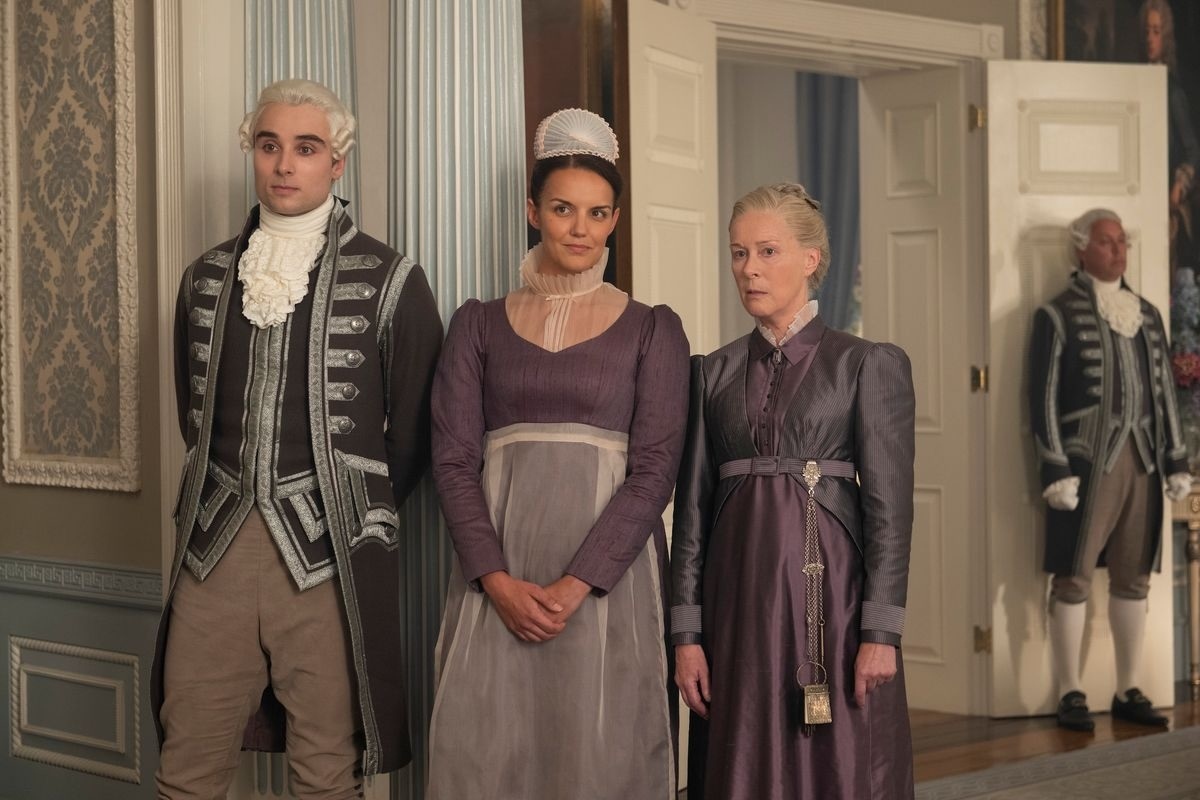
Thus, even in silk, one finds society itself: layered, intricate, and ever evolving.
One might imagine such fashions confined to history, yet it seems they have proven remarkably unwilling to fade.
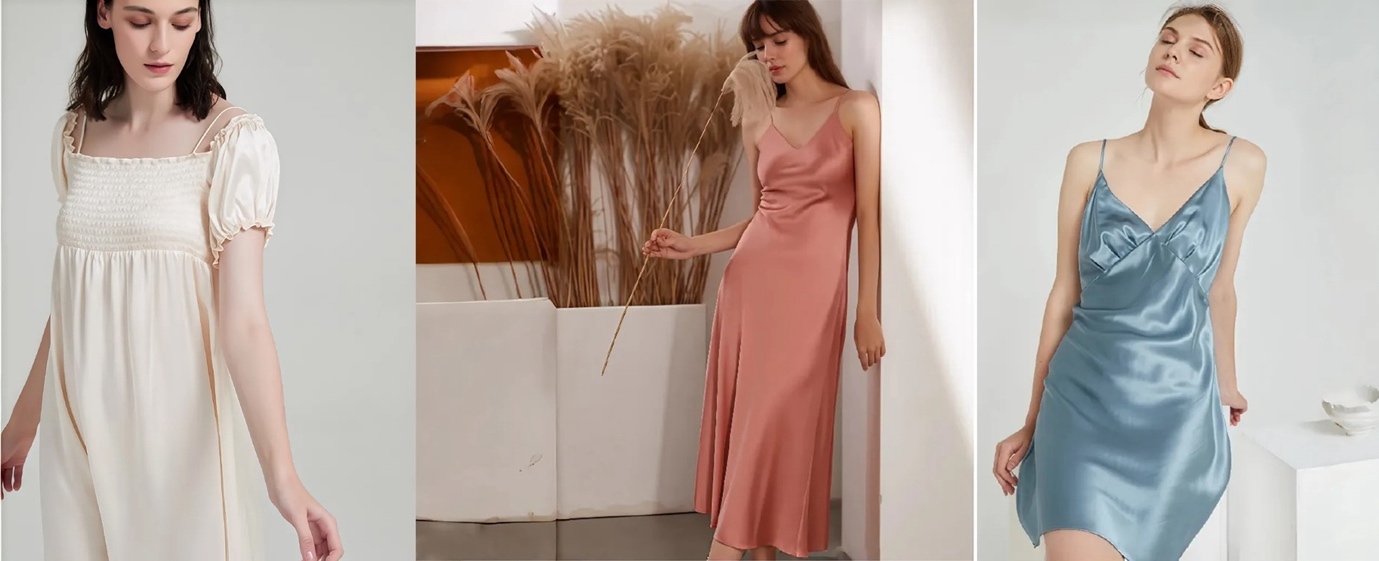
In recent years, a revival of Regency-inspired aesthetics, what some have termed “cottagecore” or “Regency core”, has swept through modern wardrobes. Influencers and tastemakers alike have embraced empire waist silhouettes, silk slip dresses, and the gentle romance of floral patterns.
At Docsun, we offer various silk slip dresses to fit the arising fashion too! You may find more information via our custom silk dress collection.
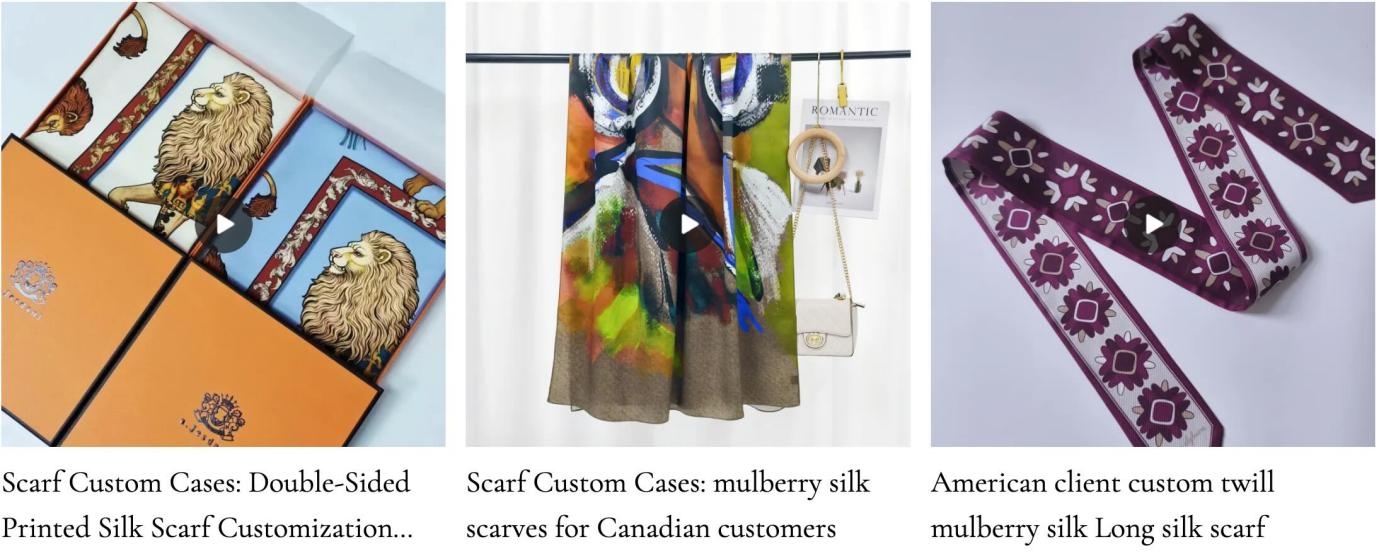
Silk scarves, too, have found renewed favour—worn not only about the neck, but in the hair, upon handbags, and in countless inventive ways. It would appear that the language of silk, once spoken in ballrooms and drawing rooms, has simply adapted to new stages.
Talking about silk scarves, I can’t help to recommend our services to you. If you are also interested, please check more cases via our scarf custom cases.
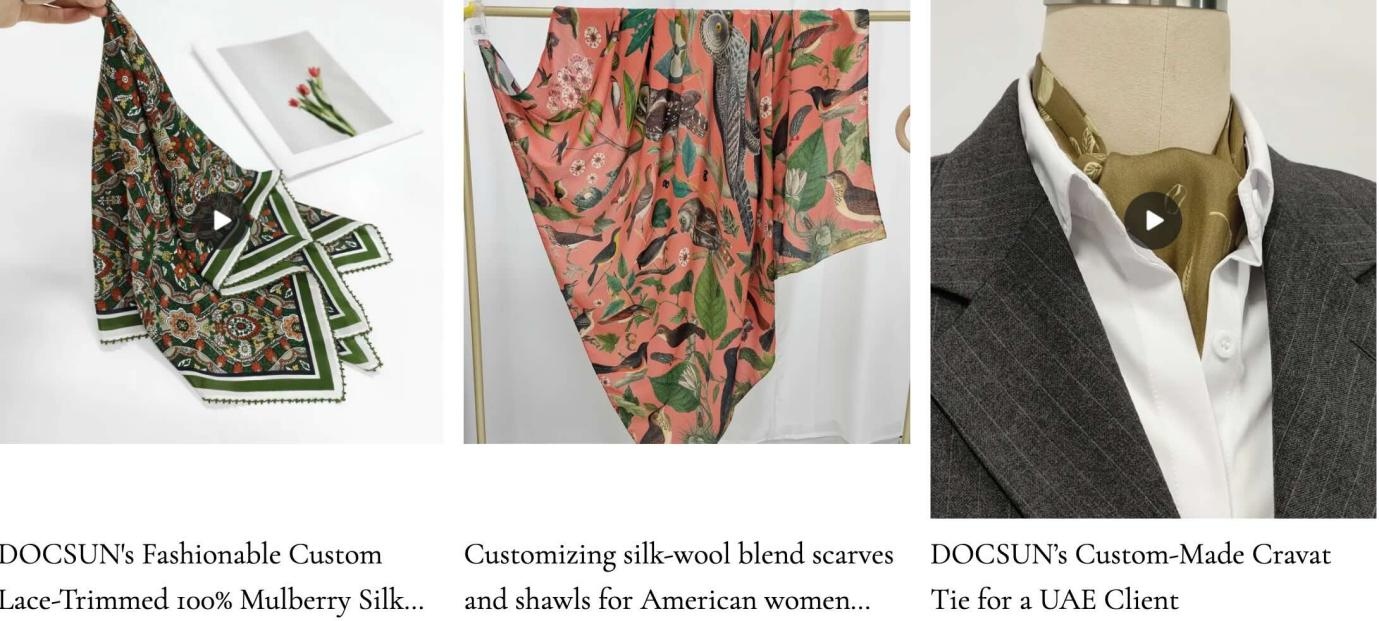
And if you would like to know more about our customisation process, please click start here.
If there is one truth to be gleaned from all this, it is that fabric has never been merely fabric. It is expression, aspiration, and, on occasion, quiet rebellion.
And so, whether one finds oneself beneath the chandeliers of a Regency ballroom or scrolling through the modern equivalents of society pages, one must remember: it is not only what one wears, but how it is woven, that tells the most compelling story.